

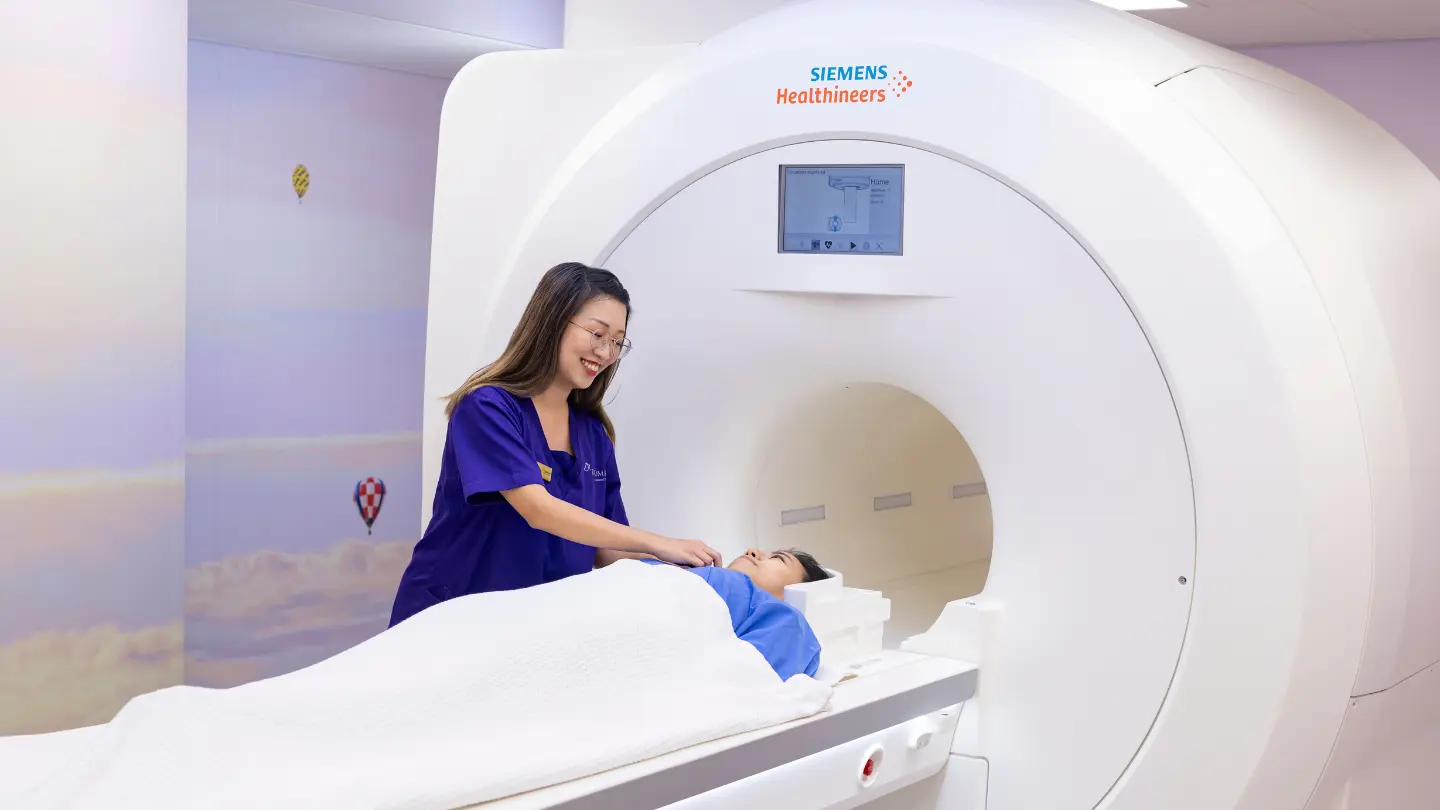
Preventive health care is continually changing, as the progress of medical technology has allowed for much earlier and more thorough disease diagnosis. In cities such as Dallas, a growing awareness about proactive wellness has made many consider the benefits of advanced imaging like a Whole Body MRI. While some facilities may refer to services like an MRI scan by Papillon, the larger concept behind these services is that the facility uses magnetic resonance imaging as a preventive instead of purely diagnostic tool.
What Is a Whole Body MRI?
A Whole Body MRI is a non-invasive imaging technique wherein highly detailed images of internal organs, soft tissues, bones, and blood vessels inside the body are obtained. Unlike other imaging studies, such as X-rays and CT scans, which rely on ionizing radiation, a Whole Body MRI utilizes strong magnetic fields and radio waves for its cross-sectional images.
A Whole Body MRI has the advantage of giving a complete picture of internal health, as it can image many body systems at the same time. It can present images of the abnormal brain, spine, liver, kidney, pancreas, and musculoskeletal system. Such a full picture makes it highly pertinent in discussing matters of preventive health.
The Shift towards Preventive Healthcare
The aim of this type of healthcare is the identification of risk and disease possibilities before the onset of any symptoms. Traditionally, such methods of prevention include blood tests, physical examinations, and age-based screening techniques like mammograms or colonoscopies. Recent developments in imaging techniques have helped expand the options of early detection methods.
Whole Body MRI aids this process by providing a more comprehensive assessment from within. It might even be able to detect tumors, structural, and organ-related changes in their earliest forms before they present any recognizable symptoms. This might prove to be advantageous to those affected and to doctors.
However, it is worth noting that while Whole Body MRI is not advocated as a replacement for routine screenings, it might find a place as a complementary tool in a holistic preventive health plan.
Potential Benefits in Early Detection
One of the greatest benefits of Whole Body MRI in the field of preventive medicine is the detection of “silent” diseases. There are diseases such as cancer and vascular diseases that may not manifest obvious signs and symptoms during the initial phases.
MRI scans, for instance, enable the capture of images of soft tissues and internal body parts, thereby helping pinpoint abnormalities, which might never be spotted through the naked eye. In a preventive capacity, the findings from MRI scans can be used for further investigation.
Moreover, Whole Body MRI might also be part of the medical plan pertaining to individuals with a high family history of certain diseases. In certain situations, it might act as part of a personal and specific medical monitoring plan with the advice of different medical experts.
Understanding Incidental Findings
Although timely detection is a disadvantage, Whole Body MRI has some other drawbacks. These are called incidental findings, and these are physiological abnormalities that may or may not be related to disease. Some may be significant, requiring further investigation, while others may be entirely harmless, simply special types of normal.
This also distinguishes the importance of interpretations by radiologists in their respective profession, as well as a discussion with healthcare providers. A preventive image should be done with appropriate and informed medical guidance and should not be solely reliant on it.
Safety and Patient Considerations
It has been established that the procedure of Whole Body MRI scanning does not pose any hazardous effects on the body. This is primarily because it does not expose individuals to any irradiation. However, it has been noted that individuals with some implantable devices in their bodies should not undergo the procedure. In addition, this test requires that an individual lie motionless in a confined space for an extended time, which can pose a challenge for individuals with claustrophobia. The pre-examination preparation is minimal, although the specific requirements may vary in line with the purpose of scanning.
Integrating Imaging into a Preventive Strategy
As the emphasis in health services continues to be on long-term wellness, the facility of Whole Body MRI has started appearing in discussions pertaining to health management in a proactive manner. It provides in-depth information regarding the internal structure, helping in early detection if used properly.
However, experts normally recommend conducting such examinations in relation to a specific health profile and professional suggestions. Whether one seeks to understand the concept of a general preventive imaging practice or the services offered by the company, MRI scan by Papillon, they should seek to understand the benefits and limitations of the procedure in terms of an informed decision-making process.
