

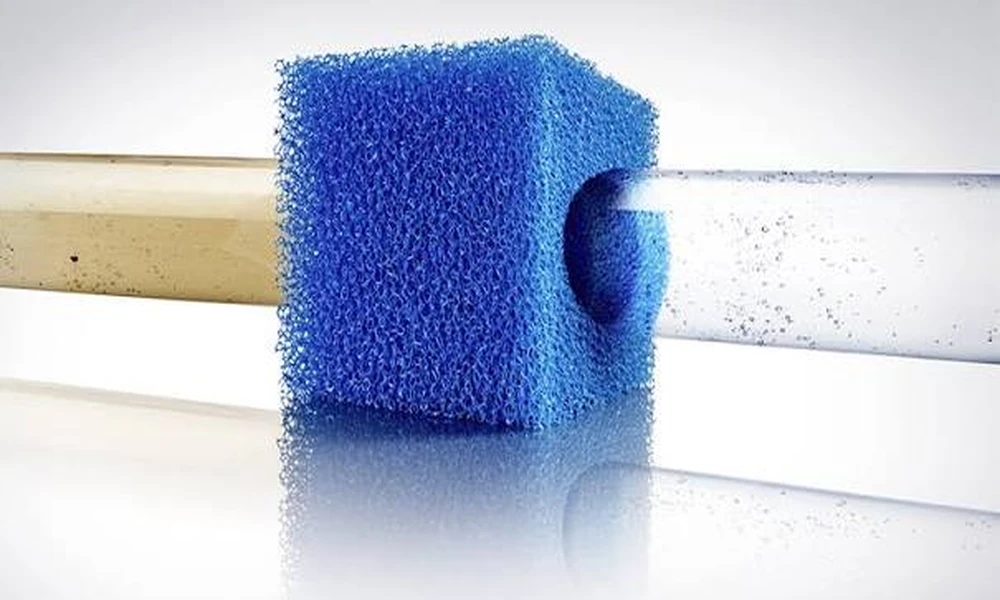
Foam materials serve a wider range of industrial functions than is commonly recognised. Beyond cushioning and insulation, certain foam grades are specifically engineered for filtration, fluid management, and airflow control. Reticulated polyurethane filter foam is one of the most versatile of these technical foam products, offering a consistent open-cell structure that makes it effective across applications in air filtration, liquid filtration, acoustic management, and outdoor environments. Understanding what distinguishes reticulated foam from conventional foam grades helps buyers and engineers select the right product for their specific requirements.
What Is Reticulated Foam?
Reticulated foam is a type of open-cell polyurethane foam from which the cell walls have been removed, leaving only the skeletal struts that form the cell structure. This process, called reticulation, can be carried out by chemical or thermal means and results in a highly porous material with very low resistance to fluid and airflow. The open network of struts provides mechanical support whilst allowing gas or liquid to pass through freely.
The degree of reticulation is characterised by pore count, expressed as pores per inch (PPI). Lower PPI values such as 10 or 20 PPI indicate a coarser, more open structure suitable for coarse filtration or fluid drainage, whilst higher values such as 60 or 80 PPI produce a finer structure appropriate for removing smaller particles. This range of available pore sizes makes reticulated filter foam adaptable to a wide spectrum of filtration requirements.
Key Applications of Reticulated PU Filter Foam
Reticulated PU filter foam is valued across many sectors for its consistent performance. Some of its most common applications include:
- HVAC air filtration – used as pre-filters to remove dust and debris before finer filter stages
- Automotive air intake filtration – protects engine air intake systems from particulate ingress
- Acoustic foam panels – open-cell structure absorbs sound waves in studio and industrial settings
- Aquarium and pond filtration – biological and mechanical filtration media in water systems
- Medical equipment – used in respiratory devices and fluid management components
In HVAC systems, reticulated foam pre-filters are positioned upstream of higher-efficiency filter elements to extend their service life by capturing larger particulates before they reach the finer media. This approach reduces the maintenance frequency of expensive filter stages whilst maintaining air quality standards in commercial and industrial buildings.
Air Filter Foam in Industrial and Domestic Applications
Air filter foam serves distinct functions in domestic and industrial contexts, though the underlying material characteristics are similar. In domestic settings, foam filters are commonly found in air purifiers, range hoods, vacuum cleaners, and room air conditioners. In industrial settings, foam filtration elements appear in compressed air systems, dust extraction equipment, and clean room pre-filtration stages.
The advantage of foam over synthetic or fibrous filter media in many of these applications is washability. Unlike pleated paper or non-woven synthetic filters, which are typically single-use, reticulated foam filter elements can be washed, dried, and reinstalled multiple times before reaching the end of their service life. This reusability makes foam a cost-effective choice for applications where filter access is easy and replacement cycles would otherwise be frequent.
Filter Foam Sheets and Custom Fabrication
Reticulated filter foam is available in standard sheet form, which can be cut and fabricated into custom shapes for specific equipment requirements. This flexibility makes it suitable for original equipment manufacturers (OEMs) who need consistent filter elements in non-standard dimensions, as well as for maintenance teams replacing worn filter elements in existing equipment.
Sheet thickness, pore size, and material grade are the primary specification parameters for filter foam sheet procurement. Suppliers offering technical foam fabrication services can cut, die-stamp, bond, and laminate foam sheets to produce finished filter elements ready for direct installation. For applications requiring hygiene compliance such as food equipment or medical devices, foam grades with appropriate certifications and material declarations are available from specialist manufacturers.
Quick-Dry Outdoor Foam for Non-Filtration Applications
Reticulated foam’s open-cell structure makes it equally suited to outdoor applications where rapid moisture drainage is needed. Quick-dry outdoor foam is used in marine seating, outdoor furniture, swimming pool surrounds, and sports equipment where conventional closed-cell foam would retain water and deteriorate rapidly.
The drainage capability of quick-dry foam means that moisture passes through the material rather than being absorbed and held. This prevents the development of mould, mildew, and bacterial growth that commonly affects conventional foam in wet outdoor environments. For outdoor furniture manufacturers and marine upholstery suppliers in India, quick-dry reticulated foam represents a significant performance improvement over standard foam grades in humidity-exposed applications.
Selecting the Right Foam Grade for Your Application
Matching foam grade to application requirements is important for performance and longevity. For air filtration applications, the pore size determines what particle size range is captured and how much resistance to airflow the foam introduces. Finer grades capture smaller particles but create more restriction, which can reduce airflow in systems not designed for higher static pressure.
For fluid drainage applications such as marine seating or outdoor furniture, the primary selection criterion is dimensional stability and drainage rate rather than filtration efficiency. Foam grades engineered for outdoor use include UV stabilisers and anti-oxidant additives that significantly extend service life compared to standard indoor foam grades. Consulting with a foam solutions specialist who understands both the technical and application requirements helps identify the most suitable grade without trial and error.
Quality Standards and Testing for Filter Foam
For industrial and medical applications, filter foam quality must be consistent across production batches. Pore count, airflow resistance, and structural integrity should be tested against defined specifications for each batch. Established foam solution manufacturers maintain quality control records that are available on request, which is important for applications where the foam is part of a regulatory-approved assembly.
When sourcing reticulated PU filter foam from Indian manufacturers, requesting sample material for in-house testing before placing bulk orders is a practical step that avoids the cost and disruption of receiving a batch that does not meet performance requirements. Testing should cover both the physical pore structure and the foam’s resistance to the specific fluids or chemicals it will encounter in service. Understanding concepts like quick dry outdoor foam helps in making better decisions in this field.
Keyword Frequency
| Keyword | Count | Status |
|---|---|---|
| reticulated filter foam | 2 | ✓ |
| quick dry outdoor foam | 1 | ✓ |
| filter foam sheet | 2 | ✓ |
| reticulated foam | 7 | ✓ |
| air filter foam | 2 | ✓ |
| foam solutions | 1 | ✓ |
| filter foam | 11 | ✓ |
