

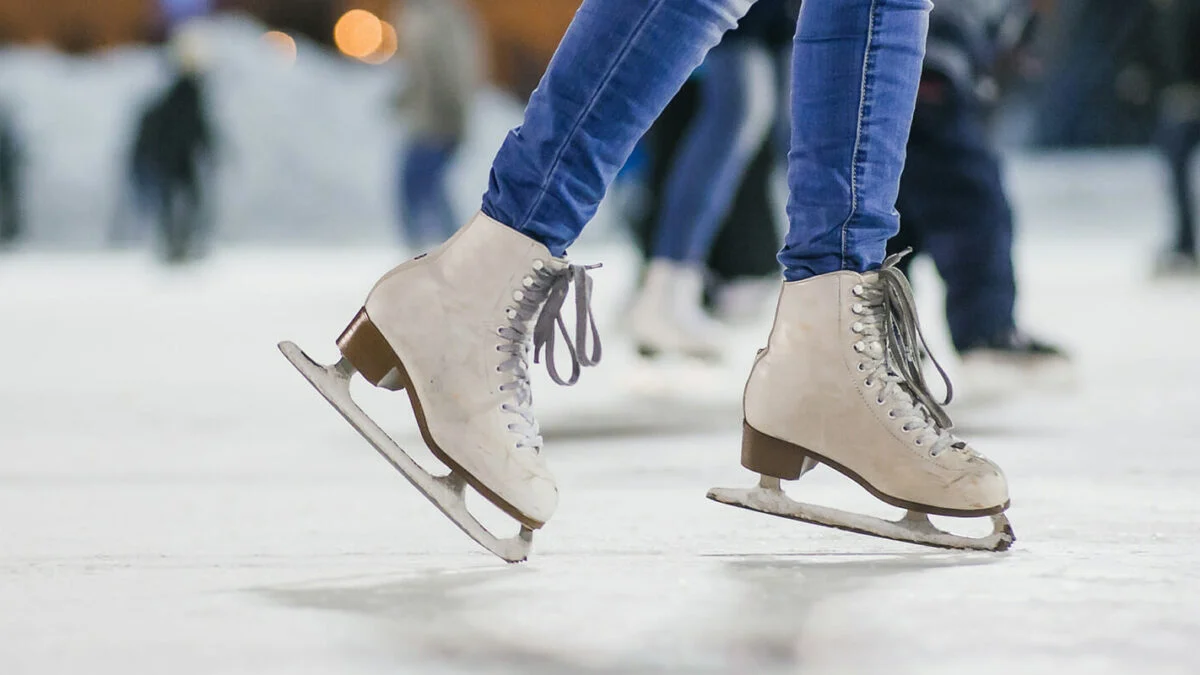
A single bad purchase can turn ice skating from a thrill into a frustration. The excitement of stepping onto the rink for the first time, only to be met with aching feet or constant slipping, is a rookie scenario that can be avoided. Most skate-buying pitfalls sneak up on beginners, but a little knowledge goes a long way.
Understanding Different Types of Ice Skates
Selecting the right skates starts with understanding the options. Not all ice skates are created equal, and the differences can make or break your experience on the ice.
Recreational vs. Hockey Skates: Key Differences
Recreational skates are built for comfort and leisurely gliding. Their boots are often padded, and blades are designed for stability, not speed. Hockey skates, in contrast, feature stiffer boots that offer ankle protection, with shorter, curved blades for quick turns and acceleration. Choosing between these depends entirely on your intended use.
Figure Skates and Other Specialty Types
Figure skates stand out with their longer blades and toe picks, essential for jumps and spins. If you have dreams of practicing figure skating, these are non-negotiable. Specialty skates exist for speed and synchronized skating, but recreation and hockey styles dominate most beginner purchases.
How Skate Design Affects Performance and Comfort
Boot stiffness, padding, and blade profile all influence your glide, agility, and comfort. A supportive boot prevents ankle injuries, while a well-balanced blade makes learning to skate far less intimidating. Skimping on design features for the sake of style or price is a shortcut to sore feet and bruised confidence.
Common Mistakes When Choosing Your First Ice Skates
Buying your first pair of skates can be overwhelming, especially with so many choices and marketing claims. Here are the traps that beginners fall into:
Ignoring Proper Fit and Sizing Challenges
Ill-fitting skates can cause blisters, bruising, and even hamper your balance. Ice skate sizing rarely matches street shoe size. Always check brand-specific size charts and, when possible, measure your feet late in the afternoon when they are at their largest.
Overlooking Skill Level and Intended Use
Skates for competitive hockey are overkill for someone who just wants to glide at the local rink. Conversely, recreational skates will frustrate you if you decide to join a team later. Define your goals before swiping your card.
Buying Based on Brand Hype Instead of Features
Big brands like CCM, Bauer, and K2 have stellar reputations, but not every model is right for every skater. Comparing features like support, comfort, and adjustability should take precedence over logos. In the end, your feet do not care about branding.
Neglecting to Consider Boot and Blade Quality
Cheap skates often cut corners in boot construction and blade durability. A lower price tag might be tempting, but poor quality quickly leads to discomfort or the need for early replacement.
How to Select the Right Ice Skates for Beginners
The right pair of skates can make your first experiences on the ice enjoyable and safe.
Measuring Your Feet Accurately for the Best Fit
Trace your foot on a piece of paper, measure the length in centimeters, and match it to the brand’s sizing chart. Consider width as well, since some brands run narrow or wide. Do not guess your size based on your sneakers.
Assessing Boot Construction and Support Levels
Beginners should look for boots with moderate stiffness and good ankle padding. Too soft, and you risk ankle rolls; too stiff, and it will be hard to break them in. Materials like synthetic leather or reinforced fabrics are common in quality entry-level models.
Blade Types and What They Mean for Stability and Control
For most beginners, a standard recreational or hockey blade works best. Figure skate blades, with their toe picks, are essential for artistry and jumps, but can trip up uninitiated skaters during casual skating.
Importance of Trying Skates On Before Purchase
Try skates on with the socks you intend to wear. Stand, walk, and flex your ankles. There should be no pinching, and your heel should stay snug in the cup. A little toe wiggle room is fine, but too much space spells disaster on the ice.
Maintenance and Care Tips to Avoid Early Wear
Skate care is essential for comfort and longevity. A well-maintained pair glides better and offers consistent support.
Sharpening Your Blades: When and How Often?
Blades dull quickly, especially on outdoor rinks. Beginners should sharpen skates after every 10-15 hours of use, or when you feel slipping. Never attempt to sharpen blades without the right equipment or experience.
Proper Drying and Storage Techniques
Always dry your blades and boots after skating to prevent rust and mold. Store skates with soakers (soft blade covers) and never leave them in a damp bag or car trunk.
Recognizing Signs of Wear and When to Replace Skates
Look for cracks in the boot, loose rivets, and uneven blade wear. If you notice persistent discomfort or instability despite good care, it may be time for a new pair.
Where and How to Buy Your First Pair of Ice Skates
The shopping experience itself makes a difference, and knowing where to look can save money and hassle.
Comparing Online vs. In-Store Shopping Advantages
Online retailers offer variety and convenience, often at lower prices. In-store shopping lets you try on different models, feel support levels, and get immediate staff guidance.
Utilizing Expert Advice and Customer Reviews
Look for shops that provide expert guidance and have robust customer feedback. Reviews often highlight issues with sizing or comfort that product descriptions skip.
Understanding Return Policies and Price Guarantees
A solid return policy is a lifesaver if the fit is wrong. Some retailers, like those offering Liquida Sport patins à glace, provide price guarantees to ensure you get the best value.
Taking Advantage of Loyalty Programs and Discounts
If you plan on getting serious about skating, loyalty programs can add up. Discounts or points toward sharpening and accessories make a difference over time.
—
The first step onto the ice should be smooth, not stressful. Avoid these critical mistakes, and your choice of skates will help you glide with confidence, not limp with regret.
