

Sustainability is no longer just a buzzword; it has become a driving force behind the evolution of industrial warehouse design. As expectations for greener operations rise, warehouses, once seen as resource-heavy, utilitarian spaces, are transforming into models of efficiency and responsibility.
What Does Sustainability Mean in Industrial Warehouse Design?
At its core, sustainable warehouse design is about minimizing environmental impact while maximizing operational efficiency. This approach considers not just how buildings are constructed, but also how they function throughout their lifecycle.
Key Principles of Sustainable Architecture
Sustainable architecture in industrial settings includes principles like energy efficiency, responsible sourcing of materials, and adaptive reuse. Warehouses with a smaller carbon footprint often feature natural lighting, energy-efficient facades, and renewable energy systems, all designed to reduce resource consumption from day one.
Environmental and Economic Drivers
Reducing emissions is a clear environmental motivator, but the business case for sustainability is just as compelling. Lower utility bills, tax incentives, and improved building longevity are tangible benefits that go hand-in-hand with sustainable practices.
Why Are Sustainable Practices Crucial for Modern Warehouses?
Warehouses play a significant role in global supply chains, but they also consume vast amounts of energy, water, and raw materials. Without thoughtful design, they can become major contributors to pollution and waste.
Impact of Warehouses on Carbon Footprint and Resources
The sheer scale of distribution centers means their environmental impact is multiplied. Energy-intensive lighting, heating, and cooling systems, combined with high-volume material throughput, drive up carbon emissions and resource demand.
Benefits for Businesses and Communities
Embracing sustainable practices means companies can lower operational costs, create healthier work environments, and strengthen their social license to operate. Communities benefit from reduced pollution and improved land use, making sustainability a win-win proposition.
How Are Energy Efficiency Measures Integrated into Warehouse Design?
Today’s warehouses set ambitious targets for energy efficiency, moving well beyond standard construction methods.
Use of Renewable Energy Sources
Solar panels on warehouse roofs are becoming common, providing clean, on-site power. Some facilities even tap into geothermal or wind energy, further reducing dependence on fossil fuels.
Advanced Insulation and Building Materials
High-performance insulation, cool roofing, and low-emissivity windows maintain temperature control and lessen HVAC demands. Sustainable materials, like recycled steel and certified wood, also play a role in reducing embodied energy.
Smart Lighting and HVAC Systems
LED lighting, often coupled with daylight sensors and motion controls, minimizes energy waste. Meanwhile, smart HVAC systems use real-time data to optimize temperature and airflow, ensuring comfort with minimal consumption.
What Role Do Water Conservation and Waste Management Play?
Efficient use of water and responsible waste handling are gaining prominence alongside energy initiatives.
Rainwater Harvesting and Reuse Systems
Warehouses equipped with rainwater collection systems use this resource for landscaping and non-potable applications like toilet flushing, easing pressure on municipal supplies.
Sustainable Waste Disposal and Recycling Initiatives
Designing for recycling, from on-site sorting to easy access for material pickup, helps divert tons of waste from landfills. Facilities producing less waste often see lower disposal costs and improved regulatory compliance.
How Does Layout and Space Planning Support Sustainability?
Efficient layouts reduce the distance materials and workers must travel, which cuts down on energy use and boosts productivity.
Optimizing Material Flow to Reduce Energy Use
Clear, direct pathways for goods minimize forklift traffic and associated fuel or electricity consumption. Automated conveyor systems, placed strategically, further trim energy needs.
Flexible Spaces for Future Adaptations
Designing warehouses with modular spaces allows them to adapt to changing needs or technologies, extending their useful life and avoiding costly future overhauls.
Which Technologies and Innovations Are Driving Sustainable Warehouse Design?
Digital tools and automation are rapidly reshaping what is possible in warehouse design.
Automation and Robotics for Efficiency
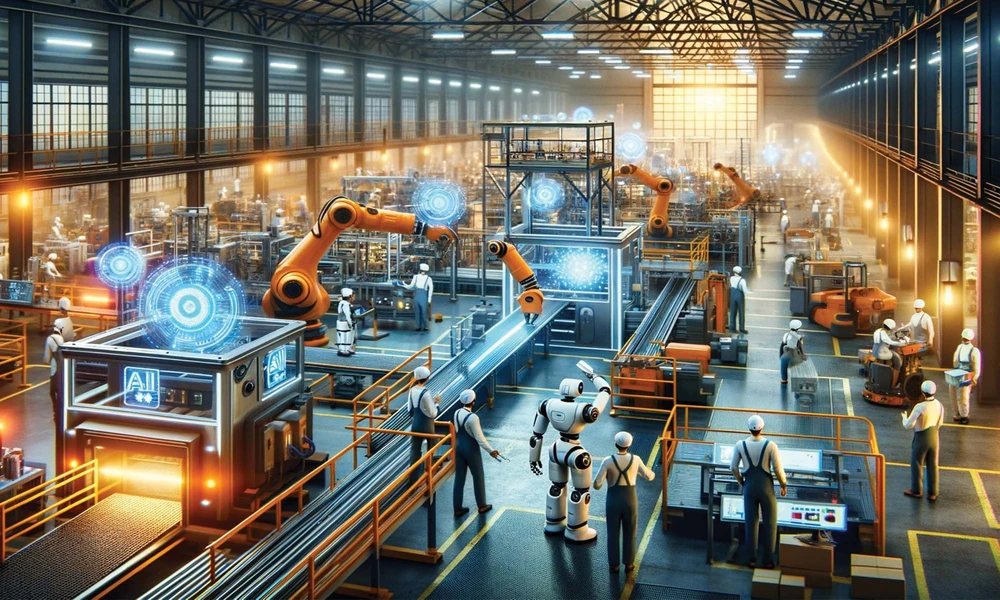
Automated storage and retrieval systems, as well as robotics, streamline operations and lower the need for lighting and HVAC in occupied zones. This boosts both energy savings and overall productivity.
Building Information Modeling (BIM) and Simulation Tools
BIM and advanced simulation allow architects to optimize building performance long before groundbreaking. These tools predict energy use, daylight exposure, and even future maintenance needs, ensuring sustainability is woven in from the start.
How Are Regulatory Standards and Certifications Influencing Design Choices?
Regulations and certifications set the bar for what is considered sustainable, pushing the industry forward.
LEED, WELL, and Other Green Building Certifications
Programs like LEED and WELL encourage designers to pursue ambitious targets for energy, water, materials, and occupant health. Achieving these certifications signals a commitment to high standards and can open doors to incentives.
Compliance with Local and Global Environmental Regulations
Stricter codes and international agreements are driving companies to prioritize sustainability, not just for ethical reasons, but to remain compliant and competitive.
What Are Some Exemplary Projects Showcasing Sustainable Warehouse Design?
Real-world examples provide proof that sustainable warehouse design is both achievable and effective.
Case Study: Ecoparc Distribution Center
The Ecoparc Distribution Center stands out for its comprehensive green strategy, including solar generation, advanced water management, and flexible modular layouts ready for future tech upgrades.
Insights from Stendel + Reich Architecture’s Industrial Projects
Firms like Stendel + Reich architecte centre de distribution are setting new benchmarks with innovative distribution center designs that integrate sustainable principles at every stage. Their portfolio demonstrates how careful planning, smart technology adoption, and a commitment to green building standards can transform the industrial landscape.
Lessons Learned and Best Practices for Future Developments
The most successful projects share a common thread: early adoption of sustainable thinking, continual innovation, and a willingness to learn from each phase of the building’s lifecycle. As the industry advances, these lessons will guide the next generation of sustainable warehouses, making them not just places of storage, but beacons of environmental responsibility.
